


Organic Japanese Kukicha Tea
The tea Japanese masters never threw away. Thank goodness.
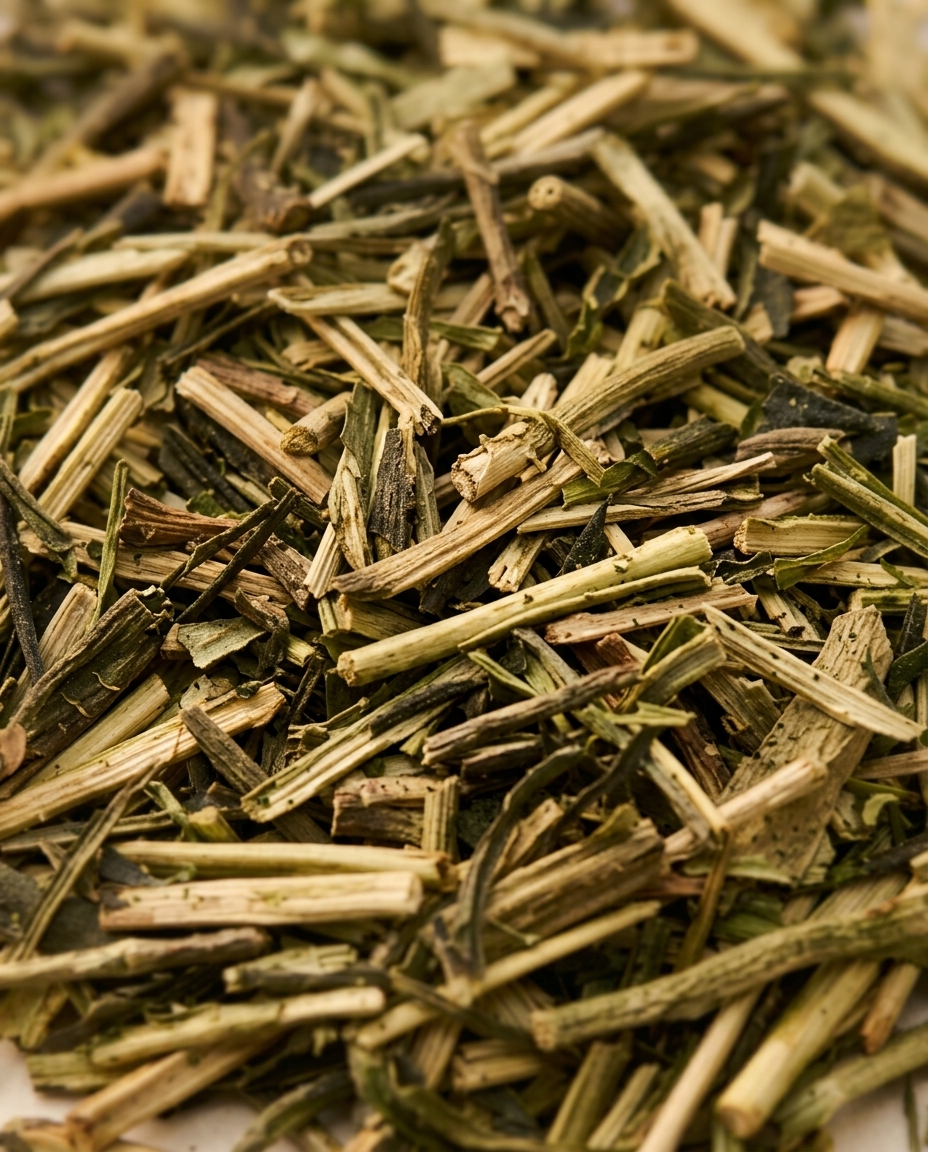
100% organic kukicha: green tea leaf, twig and stem, aged for at least 3 months and roasted at the end of the process. A sweet, toasty, herbaceous aroma. Zero additives, zero fillers, zero pretension: just the whole plant.
In Japan it began as the tea of people who wasted nothing: the stems and twigs left over from the sencha harvest were patiently roasted, and over time earned a reputation of their own. Today it's a biohacking favourite for the morning ritual: a functional ingredient from Camellia sinensis which, like all tea, naturally contains theine and L-theanine.
🍵 Toasty, sweet and herbaceous aroma: nothing like your average green tea
🌿 Leaf, twig and stem: the whole plant, nothing discarded
⏳ Aged for at least 3 months: and roasted at the end for its signature character
🍃 100% organic: no additives, no nonsense
How to have it at breakfast:
☕ As an alternative to your morning coffee: same ritual, different flavour
🫖 Freshly brewed in very hot water while you make the rest of breakfast
🍞 Alongside your toast or granola: the tea's roasted notes go with the toasted bread
🧊 Iced, if you'd rather start a summer morning with something more refreshing
Tax included. Shipping calculated at checkout
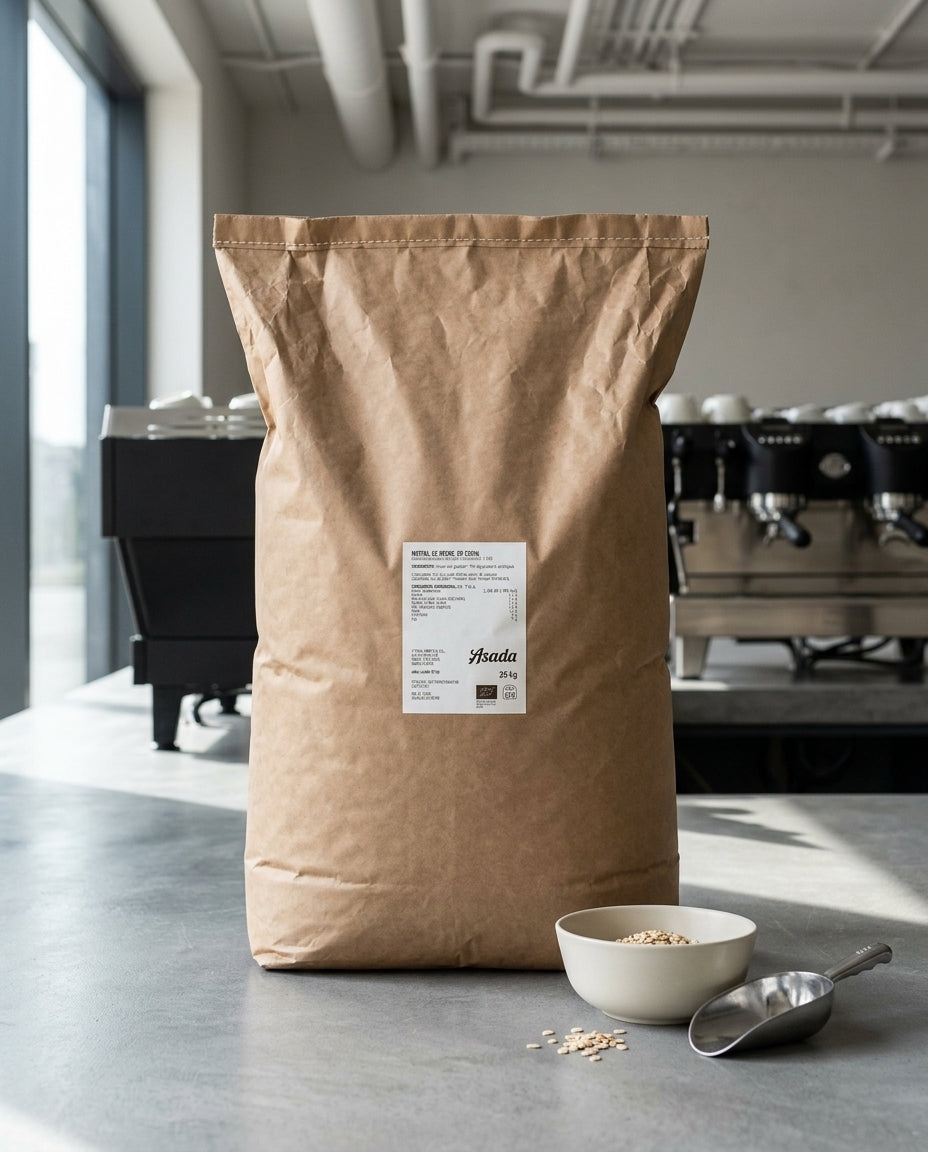
→ If you order today, it will be dispatched on the next working day, except for bulk products, which are dispatched within 7 to 10 days.
Ingredients
and nothing else
Average nutrition facts
Allergens
Storage
Organic Japanese Kukicha Tea
Happy customers ❤️